Pick Your Poison: David
When Bible Stories Get Wild
I have always loved Bible stories. They’re filled with drama, unexpected twists, and lessons that range from deeply profound to downright baffling. But what no one prepared me for as a kid was how much these stories could throw you for a loop when you actually took a deep dive into them. They’re like plot twists in a Netflix show—just when you think you have it figured out, boom, something wild happens.
Take David, for example. You know him. Giant slayer. King. Harpist. The only man in the Bible explicitly described as “a man after God’s own heart.” But the story that really grabbed my attention wasn’t the famous showdown with Goliath or his poetic Psalms. No, it was a moment in 2 Samuel 24 when David made a decision so reckless that God Himself had to step in with a divine “we need to talk.” And not in a good way.
The Sin That Made Heaven Pause
David, in a moment of royal overconfidence, decided to conduct a census of Israel—something that, in the grand scheme of sins, feels pretty tame. But here’s the kicker: he did it without God’s approval. Even his military commander Joab, who was not exactly known for his piety, warned him against it. If Joab thinks something is a bad idea, you might want to take a step back and reevaluate.
But David, being David, went ahead anyway. And as soon as he was done, he realized—oops—he had messed up. Big time. He repented, but God wasn’t about to let this one slide. Enter the prophet Gad, who came bearing an offer that no one in their right mind would ever want to receive:
The Divine “Would You Rather?“
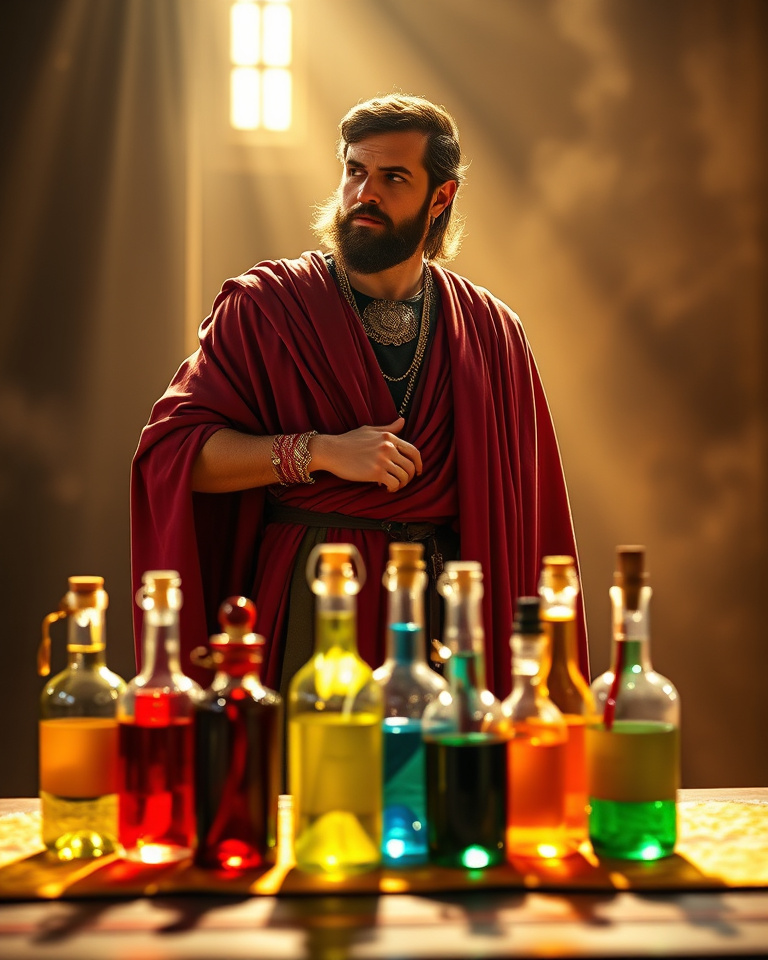
God, in what can only be described as the ultimate “pick your poison” scenario, gave David three punishment options:
- Three Years of Famine
- Three Months of Running for His Life from His Enemies
- Three Days of a Deadly Plague
Now, let’s take a moment to appreciate the sheer weight of this decision. This wasn’t choosing between a headache and a stomachache. This was a cosmic-level consequence buffet, and David had to pick his suffering. And oh, did he think this through.
David’s Big Brain Moment
David looked at the menu of doom and said, “You know what? I’ll take Option Three.”
Why? Because the first two options involved putting himself at the mercy of men, and David had been around long enough to know that human mercy is…well, questionable at best. Three years of famine would have devastated the land, and three months of running from his enemies? Yeah, David had spent enough time dodging spears in Saul’s court—he wasn’t about to sign up for another round.
So, he chose the three-day plague, reasoning that if he had to suffer, better to be in God’s hands than in the hands of men. And let me tell you, this was a calculated decision. David knew that human vengeance tends to be excessive, personal, and downright ruthless. God, on the other hand, is just—even in His discipline. So, he rolled the dice on divine mercy.
When Mercy Meets Judgment
Well, the plague hit hard. Seventy thousand people died before God, in His mercy, halted the destruction at the threshing floor of Araunah the Jebusite. That’s where David built an altar, offered sacrifices, and watched as God ended the punishment.
Here’s the lesson that really stands out: just because you repent doesn’t mean you escape consequences. We often think that saying “sorry” erases everything, but sometimes, we still have to face the music. What repentance does is invite mercy into the judgment. And that’s exactly what happened here—God stopped the plague before it could consume more lives, showing that even in discipline, He is compassionate.
Lessons from David’s Choice
David’s punishment choice wasn’t random. It was strategic, insightful, and, dare I say, a little genius. He knew that people are crueller than God and that if he had to suffer, it was better to do it under the hand of the One who could also show mercy. That’s a level of faith and wisdom that’s worth thinking about.
So, the next time you find yourself in a tough spot (hopefully not a divine punishment scenario), take a page out of David’s book. If you ever have to fall, make sure it’s into the hands of Someone who can catch you.
And maybe, just maybe, consult God before making big decisions. It might save you from having to pick your own plague.
