Category: Talegate

  • Curiosity Met Chaos

    Curiosity Met Chaos

    Curiosity Met Chaos

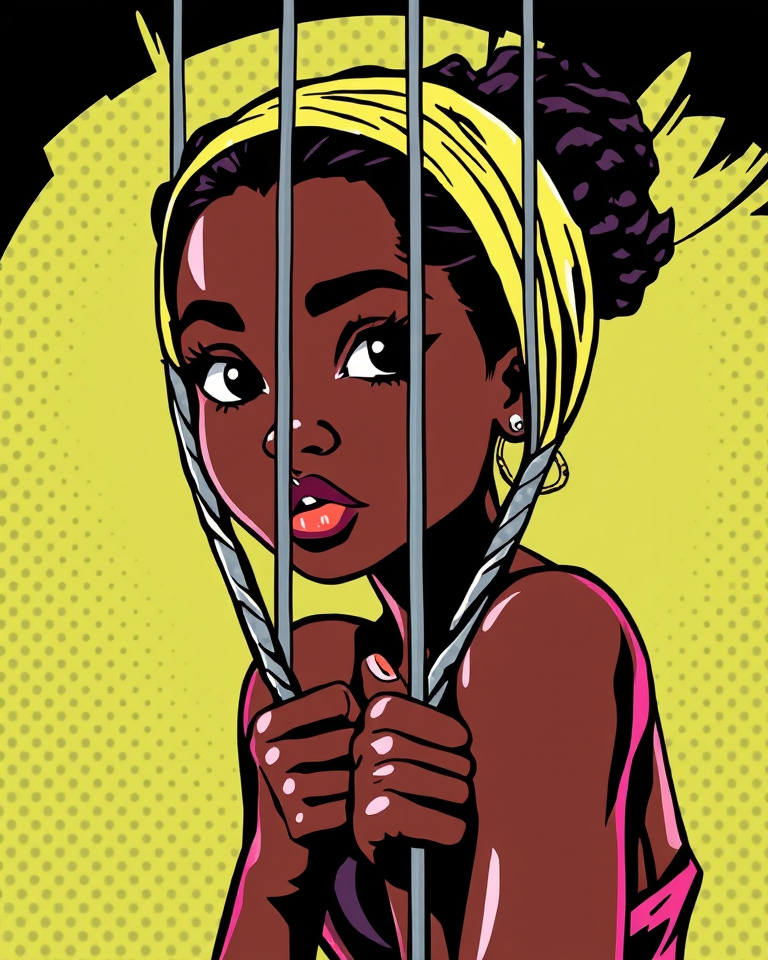
    My name is Kyle, and for the longest time, I believed I was part of something greater than myself—a grand design, a purpose beyond comprehension. Growing up, my parents, Drs. Rider and Arla Johnston were revered scientists, known for their groundbreaking work in genetics. Our family appeared normal from the outside: two successful parents, three intelligent sons. But what no one knew was that I was different.

    Not just different. Special.

    My older brother Axel and younger brother Kade followed traditional paths, finding careers, love, and purpose in mundane places. But I always had questions—about myself, about my origins, about the inexplicable talents I possessed. I could hear whispers before people spoke, predict movements before they happened, and I never got sick.

    Kyle, have you ever wondered why you’re… different?” my mother once asked me, her eyes filled with something unreadable. I had. But I never voiced it, afraid of what the answer might be.

    Then, on my twenty-fifth birthday, my father passed away suddenly, a heart attack in the middle of a research presentation. My mother took his death hard—too hard. She secluded herself in her lab, whispering to herself, poring over old research files. Then, one night, she called me in.

    Sit down, Kyle,” she said, placing a thick folder on the table. “You need to know the truth.

    I swallowed hard as she slid the file toward me. Inside were documents, charts, and photographs of a fetus—an embryo with an alphanumeric code attached to it.

    Experiment A-17

    I stared at it. At me.

    “You were never meant to be our son,” my mother said. “You were an experiment. Our greatest creation.”

    The air in the room grew suffocating. My mind screamed for denial, but the evidence was undeniable. I had no birth certificate, no hospital records. I had grown, developed in a lab, engineered to be something more than human.

    Your father and I… we designed you to be perfect. And you were. But then, we became attached. We raised you as our own. But Aaron… you are not like them.”

    I stood abruptly, my chair scraping against the cold tile. “So my whole life—my memories, my childhood, all of it—was a lie?”

    She hesitated, then nodded. “We had to protect you. The world isn’t ready for what you are.”

    A chill ran down my spine. If my father had died to protect this secret, who else knew? And more importantly, what else was I capable of?

    I looked at my mother then, truly looked at her, and for the first time, I realized she was afraid. Not of the world. Not of the secret being exposed.

    She was afraid of me.

  • An Unwarranted Sledgehammer

    An Unwarranted Sledgehammer

    An Unwarranted Sledgehammer

    The Blueprint

    I spent the first two decades of my life believing the universe operated on a spreadsheet. There was a formula, a sacred checklist: school → career → marriage → mortgage → mild-to-moderate existential crisis. As the eldest of two daughters born to healthcare professionals, my path was more predetermined than the ending of a Hallmark movie. My sister and I weren’t encouraged into the healthcare industry—we were drafted like soldiers. The only “choice” we had was whether we wanted to jab people with needles or scan them with machines.

    On top of that, I had been with Paul since the eleventh grade. People said we had a “steady rhythm,” which was basically code for “we’ve all given up trying to imagine them with anyone else.” Our wedding wasn’t a question of “if,” it was a matter of logistics—like renewing a passport or changing the Brita filter. My life was an IKEA set of pre-labeled pieces, and I was just screwing them together with the emotional depth of an instruction manual.


    The Tornado

    And then came Jax.

    Paul called one day and casually mentioned that his cousin was in town. He needed someone to “show her around” and added, “Just do that girl thing you girls do.” (Men say things like that, and I allow it because choosing violence every day is exhausting.)

    I agreed. I was on break, had nothing else going on, and figured—sure, why not babysit Paul’s cousin? I had no idea I was volunteering for a full-on identity crisis.

    The next day, I rolled up to Paul’s place, let myself in like always, and before I could even call out a hello, I heard a voice—low, smooth, with a velvety tone that made the phrase “low sodium” sound like poetry.

    Oh, you must be Hazel.”

    If I had even the slightest hint of foresight, I would’ve sprinted back to my car, blocked everyone involved, and joined a convent. But I turned around… and my life changed.

    There she was. Jax. All five feet of her—hourglass curves, tiny waist, and a face that could melt steel beams. She looked like she had walked out of a magazine and somehow ended up in Paul’s living room. And then she laughed—this deep, delicious sound that made my internal organs sit up and applaud.

    Sorry, didn’t mean to startle you,” she said, smiling. “Let me just change and we can head out.”

    I still hadn’t said a word. My brain had entered the spinning beach ball phase. This was not how I reacted to women. Women were… there. I was not supposed to feel things. But before I could gather my scattered neurons, Paul strolled in, kissed my cheek like everything was fine, handed me cash and said, “Jax likes nice things. Don’t hold back.”

    I nodded like a broken bobblehead. Moments later, Jax reappeared—now impossibly hotter—and we were in my car on the way to get her nails done. She complimented my car. I thanked her. She joked. I laughed like I was auditioning for a sitcom. I was not okay.

    By the time we got back, I should have left. Instead, when she asked if I wanted to hang out more, I said yes like a hypnotized raccoon.

    We stayed up for hours talking in her room. It felt effortless. Familiar. Like reconnecting with a soulmate from a past life. At some point, Paul poked his head in, grateful, heading out for the evening. Jax locked the door behind him. Mildly suspicious, yes. But then she announced, “I sleep naked.

    And reader—I stayed.

    Hazy Hazel

    The more time I spent with Jax, the more Paul started to resemble a tax return. Dependable, organized, and utterly devoid of excitement. He was the human embodiment of a labeled spice rack. I used to find that comforting. Now, I found it… beige.

    Jax, though? She was glitter and gasoline. She didn’t follow rules—she reverse-engineered them and sold them as NFTs. Paul was smooth jazz. Jax was punk rock with backup dancers. And suddenly, I couldn’t help but wonder: had my life been a Pinterest board in grayscale this whole time?

    Don’t get me wrong—I loved Paul. He was my safe space. My fortress of stability. But Jax? She made everything feel new. Dangerous. Illicit. Like life had been in 2D, and she’d casually handed me a VR headset.

    And just when I thought this emotional affair was the full story, Paul—sweet, boring Paul—was revving up for a plot twist so spicy, it made Jax look like warm milk.

    But I’ll get to that.

    Tipping Point

    Now listen. I’m not stupid. But in this particular chapter of my life, my common sense had the IQ of a toaster. I saw nothing wrong with climbing into bed next to a stunning, naked woman and falling asleep. Next to her. Like that was a reasonable Tuesday.

    Days went by. Paul went out of town. Naturally, I moved in with Jax for “company.” Because that’s what grounded, rational girlfriends do, right?

    Soon, we were eating together, sleeping in the same bed, showering together—yes, together—like it was some sort of unspoken sorority hazing ritual. At some point, there was hand-holding. Then spooning. Then those long, lingering glances you only see in slow-motion romance montages.

    But still, I told myself it was just deep friendship. A spiritual connection. A cousinly camaraderie forged in bathwater.

    Then, The Question happened.

    We were mid-rom-com, elbow-deep in popcorn, when Jax turned to me and asked, as if discussing laundry detergent, “Hazel, have you ever had an orgasm?”

    I choked on my breath. On air. On reality itself.

    No, seriously,” she said, calm as Buddha. “Does Paul give you any?”

    I muttered something resembling a response. She studied me, smirked, and returned to the movie like she hadn’t just detonated a nuclear bomb in my psyche.

    And that’s when the truth tackled me, full-speed: I didn’t just like Jax.

    I liked Jax.

    Point of No Return

    The movie kept playing, but Jax was now giving me more attention than the screen. Her love language was clearly “full-contact,” and at this point, I was just rolling with it. But this time, her hands weren’t just wandering—they were undressing.

    And I? I helped.

    She was already naked—because, of course she was—and now she was removing my shorts like we were playing strip poker and she was cheating.

    Then she kissed me.

    And instead of backing away, I leaned in. Eyes wide, heart racing, body screaming “YES MA’AM.”

    Let me show you what you’ve been missing,” she whispered.

    I nodded.

    Like. A. Good. Girl.

    What followed could only be described as… advanced coursework. A masterclass in anatomy. One second, we were kissing. The next? She was journeying south with the determination of an Amazon delivery driver. My brain was glitching like a corrupt hard drive, but my body? Oh, my body was submitting rave reviews and five stars.

    Now here’s where things got weird—in the best, most mind-blowing way. Let’s call it… an education. One moment she was talking; the next, her head was headed south, and my internal GPS hadn’t even caught up. My brain froze—glitched like a buffering YouTube video—while my body went full green-light. It was chaos. Mental meltdown up top, full system override down below. My brain was shrieking, “What is this dark magic?!” Meanwhile, my body calmly replied, “Shut up and enjoy the miracle, you dweeb.”

    I couldn’t think. I couldn’t breathe. syllables. Paul had never gone there. He had never done this. Hell, I didn’t even know this was on the menu. But whatever this was? But here it was—served hot, fast, and with a side of where the hell has this been all my life? I was pushing her down like I wanted her to disappear into me. It was like someone flipped a switch I didn’t even know I had. My toes curled so hard I could probably pick up small objects off the floor with them and could’ve cracked walnuts. I was making noises I didn’t think were humanly possible. I was reduced to sound effects and unintelligible. It was happening. And it was glorious.

    Then she added fingers. And my God— All. Hell. Broke. Loose.

    And that was it.

    That was the moment I crossed a line I didn’t even know was there. A point of no return.

    And in that moment, wrapped in chaos, confusion, and very little clothing, I realized—this wasn’t a love triangle.

    It was a demolition site.
    And baby, I was the building about to collapse.

    Epiphany

    As I came down from my high, panic set in.
    There was no room for this in my neatly arranged, pre-determined life.
    This wasn’t part of the structure.
    And yet, the more time I spent with her, the more I realized—I didn’t want to go back to the “normal” I had always known.

    She introduced me to a world of pleasure I hadn’t even known existed.
    For the first time in my life, I felt alive.
    I was addicted to her, to the way she made me feel, to the reckless freedom she embodied.
    And somewhere in the middle of that beautiful chaos, I forgot one tiny detail:
    I was engaged.
    To Paul.

    Jax was a force of nature.
    Wild.
    Unapologetic.
    Free in a way I had never dared to be.
    She didn’t just break my rules—she made me question whether they’d ever been mine to begin with.

    Just when I thought things couldn’t get crazier, they did.
    Her time was up—she had to leave. But we kept in touch, making plans for me to visit before my wedding.
    And here’s the kicker: Paul, the sweet, oblivious man he is, helped me book the trip.
    Yes, you read that right.
    My fiancé helped me plan a trip to see the woman I was cheating on him with.
    The irony practically screamed.

    Paul was still planning our wedding, blissfully unaware that his cousin had cracked my universe wide open.
    And me?
    I was standing in the ruins of the life I thought I wanted, unsure if I even wanted to rebuild it.

    Because for the first time in my life, I wasn’t sure I wanted the life I was always supposed to have.
    And that?
    That was terrifying.
    And exhilarating.

    The Sledgehammer

    But here’s where everything went off the rails.

    When I landed, I was pulled aside by airport security.
    They found heroin and cocaine in my luggage.
    What. The. Actual. Hell.

    I was arrested, charged, and hurled into a nightmare I couldn’t wake up from.
    Jax’s number? Disconnected.
    Paul? Gone.
    The address Jax gave me? Didn’t exist.
    It was like they’d both been erased from the face of the earth—and I was the only fool left holding the bag, literally and figuratively.

    I spent six years in prison trying to make sense of what had happened.
    Six. Years.
    I got degrees. Learned new skills. Wrote letters that never got replies.
    But no matter how much time passed, I couldn’t answer the one question that haunted me: Why?
    Why would Paul and Jax set me up?
    What had I done to deserve that level of betrayal?

    When I was finally released—and deported—I returned to a world that had politely moved on without me.
    My sister was now a nurse, a wife, and a mother.
    My parents? Older. Tired. Their eyes never quite met mine in the same way.
    And me?
    I was a ghost of my former self. Older, yes. Wiser, maybe. But scarred in places no one could see.

    To this day, I don’t know what happened to Paul and Jax.
    Were they working together?
    Was I just a pawn in some twisted game?
    Was Jax a con artist from the start, or did she just see an opportunity and take it?

    I’ll probably never know.
    But here’s what I do know:
    Life has a wicked sense of humour, and when it wants to shake you awake, it doesn’t whisper.
    It swings a damn sledgehammer.

    So, what’s the moral of this telenovela from hell?
    Let’s start with the obvious: Don’t cheat on your fiancé with their cousin.
    (Seriously, Hazel. What were you thinking?)

    But beyond that?
    Life isn’t about colouring inside the lines.
    It’s about screwing up, falling flat on your face, getting back up, and limping forward with a shaky smile and a killer story.

    Sometimes, the things that break you are the exact things that shape you.
    And if nothing else, I can say I’ve lived a life worth writing about.

    So, here’s to second chances, bad decisions, and the unanswered questions that keep us human.
    I don’t know what happened to Paul or Jax.
    Maybe I never will.

    But I’m still here.
    Still laughing.
    Still living.
    And still reminding myself every damn day:
    Life’s too short to play it safe.
  • The Great Heist

    The Great Heist

    The Great Heist

    There are a few universal truths in life: the sun rises in the east, gravity keeps us grounded, and snacks left unattended will inevitably disappear.

    For months, I had been engaged in a silent war. A war of attrition. A war where my beloved snacks—the chocolate chip cookies, the spicy nacho chips, the artisanal granola bars I pretended were healthy—kept vanishing from my pantry at an alarming rate.

    Naturally, I turned to the only other suspect in the house: my husband, Greg.

    Babe,” I began, levelling him with the kind of look usually reserved for courtroom dramas, “are you eating my snacks?”

    Greg, lounging on the couch with the remote in hand and the innocence of a newborn lamb, blinked at me. “What snacks?”

    The ones I just bought. The ones I HIDE. The ones that should be in the pantry but mysteriously disappear overnight.

    Greg looked as genuinely bewildered as a man can be when accused of high-calibre snack theft. “I swear, I haven’t touched them.”

    Sure. And I’m the Queen of England.

    I needed proof. So, like any rational person who watches too many true crime documentaries, I set up a sting operation. A hidden camera tucked neatly between the cereal boxes, poised to catch my snack thief in the act.

    That night, as I lay in bed, I imagined the satisfaction of catching Greg red-handed—maybe even a confession. Perhaps I’d frame the footage. Maybe I’d make a dramatic PowerPoint presentation titled The Lies We Tell: A Household Betrayal.

    Morning came. I raced to retrieve the footage. My hands shook with anticipation as I pressed play.

    And then—

    A squirrel.

    A squirrel.

    Not just any squirrel. A tiny, criminal mastermind of a squirrel is squeezing in through a hole in the wall like a seasoned burglar. I watched in disbelief as the fluffy bandit darted across the pantry shelves, expertly selecting only my best snacks (because of course, it had taste) and disappearing through its tiny portal.

    But the real twist? It wasn’t just taking the snacks for itself.

    Oh no.

    My stolen goods were being meticulously stockpiled in Greg’s toolbox in the garage.

    I nearly choked on my own indignation. This furry menace had not only turned my pantry into a personal buffet—it had framed my husband in the process.

    Armed with my evidence, I marched to the living room, laptop in hand, and played the footage for Greg.

    For a moment, there was silence. Then he burst into laughter. “So, let me get this straight,” he gasped between wheezes, “not only was I falsely accused, but I was also being framed by a rogue squirrel?”

    “Greg,” I said, deadly serious, “we have been played.”

    We spent the next few hours investigating the crime scene. Sure enough, Greg’s toolbox was a treasure trove of stolen snacks, tiny nibbles in some, others completely untouched. The squirrel had been running an underground snack smuggling ring right under our noses.

    With some heavy-duty patchwork (and a begrudging respect for our tiny, conniving intruder), we sealed the hole in the wall, cutting off the squirrel’s supply chain.

    Greg, ever the opportunist, examined the remaining stash in his toolbox and grinned. “Well, technically, these were found in my possession. So, by legal standards, that means they’re mine now, right?”

    He barely escaped with his life.

    And so, the Great Snack Heist came to an end. Justice was served. The squirrel was exiled. And Greg? He learned that sometimes, just sometimes, his wife was right.

    The real tragedy? I still don’t know where to hide my snacks.

  • The Friendship Clause: When Men Interrupt the Fries

    The Friendship Clause: When Men Interrupt the Fries

    The Friendship Clause

    For as long as anyone could remember—seriously, even great-aunt Agnes, the self-proclaimed family historian—Raya and Meredith had been friends. Generations of their families had been inexplicably intertwined through marriages, business deals, and the occasional scandal best left to whispers over tea. Their bond was a given, like the sun rising in the east or Meredith always stealing Raya’s fries despite swearing she wasn’t hungry.

    They were the same age, which naturally made them inseparable. They did everything together, from kindergarten finger paintings to surviving the horrors of high school fashion choices. Life moved on, and suddenly, they were full-fledged adults with actual jobs—Raya in corporate logistics (or, as Meredith put it, “a job that involves making spreadsheets cry”), and Meredith in interior design (“a job that involves making people cry over fabric swatches”). Different worlds, yet their friendship remained unshaken. Until, of course, Raymond happened.

    Ah, Raymond. The unsuspecting catalyst of chaos.

    It started at a bar, as all questionable life events do. Raya and Meredith were in their usual spot, discussing something highly intellectual (read: debating whether pineapple belonged on pizza), when Raymond strolled up to their table. Raya didn’t think much of it—every man who had ever approached them had been there for Meredith. Always. It was practically tradition.

    So when Raymond turned to Raya instead, she instinctively looked over her shoulder to check if someone else was behind her. No such luck.

    I’d like to buy you a drink,” he said smoothly.

    Raya blinked. “Me?”

    Yes.”

    She blinked again, turning to Meredith for confirmation that this was, in fact, happening in real life and not some parallel universe where she was the main character. Meredith, to her credit, looked just as bewildered.

    This was uncharted territory.

    Out of sheer respect for their long-standing friendship—and perhaps a bit of self-preservation—Raya declined. Not rudely, just diplomatically, because what else do you do when the laws of nature suddenly shift? But Raymond was persistent. “At least take my number,” he insisted, offering his phone like a peace treaty.

    And for reasons she still couldn’t explain, she did.

    The moment he walked away, Meredith leaned in, eyes narrowed. “Are we in an alternate timeline?

    I don’t know,” Raya whispered. “But I think I just broke the space-time continuum.”

    From that moment on, things changed. Raya and Raymond started talking—just talking, at first. Conversations turned into dates, and dates turned into a relationship. And somewhere along the way, Raya began to notice the subtle shift in Meredith.

    At first, it was little things: missed calls, cancelled plans, a new preference for “alone time.” Nothing glaring, just… different. Then came the pointed questions.

    So, Raymond, huh?”

    Yeah.”

    You… like him?”

    Raya frowned. “I mean, I’m dating him, so I’d hope so.

    Meredith nodded; expression unreadable. “Interesting.”

    That was the first warning sign. The second came when Meredith, who had always been refreshingly blunt, suddenly started talking about “protecting their friendship.” A strange phrase. Their friendship had never needed protection before.

    And then, the final clue: a slip-up at brunch. Meredith, three mimosas in, let it slip that she and Raymond had dated. Once. Briefly. Years ago. Apparently, it “wasn’t a big deal.”

    Raya nearly choked on her eggs Benedict. “Not a big deal? You could have mentioned it!”

    I didn’t think it mattered,” Meredith said with a shrug. “Besides, it was ages ago. Barely even a relationship.”

    Which, of course, led to the inevitable question. “So why have you been acting weird?”

    Meredith opened her mouth, then closed it. She glanced at her drink like it might offer an escape route. “I just… I guess I wasn’t expecting you to be the one he picked.”

    Ah. There it was. The truth, unvarnished and slightly painful.

    Meredith had always been the one men gravitated toward. Not because she was a bad friend or because she tried to outshine Raya—she just had that magnetic pull; the kind of effortless charm that made people want to be near her. And now, for the first time, someone had chosen Raya instead.

    It wasn’t jealousy. Not exactly. More like a recalibration of an unspoken dynamic, a realization that things weren’t quite as predictable as they’d always been.

    Raya sighed, staring at her best friend, this person who had been part of her life for as long as she could remember. “Mer, do you actually care about Raymond? Like, do you still have feelings for him?

    Meredith shook her head instantly. “No, absolutely not.”

    Then why does this bother you?”

    Meredith hesitated. “I guess… I never thought about what it would feel like to be on the other side of things.”

    Raya considered that. Then, with a smirk, she leaned back in her chair. “Well, welcome to the other side. We have snacks.”

    Meredith snorted, rolling her eyes. And just like that, the tension cracked, the years of friendship proving stronger than a moment of unexpected insecurity.

    In the end, Raymond was just a footnote in their story. The real plot twist? Raya and Meredith figured out that even the best friendships could be tested, but also that they were worth navigating through the awkward, messy, and occasionally hilarious detours life threw their way.

    Besides, Meredith was still going to steal Raya’s fries, and honestly, that was the real betrayal.

  • The Five-Year Lie

    The Five-Year Lie

    The Five-Year Lie

    Chapter One: The Letter

    I never should have opened the letter. If I hadn’t, maybe I could have gone on believing the last five years of my life had been real. Maybe I could have kept pretending that the memories in my head were mine.

    But I did. And now, I can’t unsee the truth. It arrived on a Thursday morning, wedged between bills and useless flyers. A plain white envelope, no return address. My name—Meadow Hawthorne—was typed neatly on the front in a sterile, emotionless font.

    Inside was a single sheet of paper. Meadow, your life is a lie. The last five years never happened the way you think they did.”

    My stomach tightened. My first instinct was to laugh, but the longer I stared at those words, the more they felt like a warning. A chill crept up my spine. I turned the letter over, looking for a signature. Nothing.

    Prank. It had to be a prank. Still, a gnawing sense of unease settled into my bones. That feeling only got worse when I realized I couldn’t remember what I had done exactly five years ago.


    Chapter Two: Cracks in the Mirror

    The next morning, I sat on my couch, sipping coffee, my mind spiralling. Who would send something like that? A disgruntled ex? Someone from work? It shouldn’t have bothered me. But then I started noticing things.

    Small things, at first. Like how I couldn’t remember how Henry and I met. We’d been together for four years—I knew that much. But when I tried to picture our first date, my brain gave me nothing. Just static.

    Like how I had no photos from before 2019 on my phone. I was sure I used to take pictures all the time, but now? My gallery was empty before that year. Like how I suddenly couldn’t remember my childhood best friend’s last name.

    I tried to shake it off. Maybe I was just tired. Maybe I was overthinking. But then my phone buzzed. Unknown Number: Stop searching, Meadow. You won’t like what you find. My breath caught in my throat. I hadn’t told anyone about the letter.


    Chapter Three: The Man in the Picture

    By nightfall, I was convinced of one thing—someone was lying to me. I tore through my apartment, searching for something concrete. Old diaries, emails, anything that could ground me in reality. That’s when I found the photograph.

    It was tucked between the pages of an old book. A Polaroid. A man I didn’t recognize stood in front of a house I had never seen. He was smiling, one arm draped casually around me. But the real punch to the gut? Scrawled in black ink at the bottom:

    Meadow & Theo – 2018.

    My hands shook as I stared at the name. I didn’t know anyone named Theo. But somehow, deep in my bones, I knew he was the key to everything.


    Chapter Four: The Vanishing Trail

    I spent the next two days searching for Theo. No social media. No phone number. No records in any database I could access. It was like he had been erased. I tried searching my own name.

    And that’s when I realized something horrifying—there were barely any records of me before 2019 either. No old social media posts. No online presence. It was like Meadow Hawthorne had only started existing five years ago.

    I checked my emails. Everything before a certain date? Gone. Who the hell was I before 2019? I needed answers. And I knew exactly where to start—the house in the photograph.


    Chapter Five: The House on Hawthorne Lane

    The address on the mailbox read 241 Hawthorne Lane—the same last name as mine. Coincidence? No. Someone had left me that photograph for a reason. The house was abandoned, windows boarded up, the yard overgrown. But something about it felt familiar. My pulse raced as I stepped onto the porch. The front door was locked, but a window around the side had been shattered. I climbed through, landing in a dust-covered living room.

    And that’s when the memories slammed into me.

    Flashes. Me, standing in this very room, laughing. Me, cooking in the kitchen, someone’s arms wrapped around me. Me, kissing Theo.

    I stumbled back; my breath ragged. This was my house. I had known Theo. I hadn’t just lost five years—I had been someone else entirely.

    Chapter Six: The Truth Beneath the Lies

    Footsteps creaked upstairs. Someone was here. I pressed myself against the wall, heart pounding. A man’s voice rang out—low, calm. “I was wondering when you’d come back.”

    I turned slowly. A man stood at the top of the stairs. Dark hair. Strong jaw. Eyes filled with something like sorrow.

    Theo.

    I opened my mouth, but no words came out. He descended the stairs slowly, as if approaching a wild animal. “You don’t remember, do you?” I shook my head. He sighed. “They did a good job on you.”Who?” My voice was barely a whisper. “The people who erased your past.” A chill swept through me. “That doesn’t make sense.” Theo’s eyes darkened. “It will.”


    Chapter Seven: The Five-Year Lie

    We sat at the dust-covered dining table.

    The last five years of your life aren’t real, Meadow,” Theo said quietly. “They were given to you.” I clenched my fists. “That’s impossible.”

    He exhaled slowly. “Your real name is Meadow Clarke. We were engaged. Five years ago, you uncovered something—something powerful people wanted buried. And they took you.”

    My head spun. “You mean they… what? Brainwashed me?” “Worse,” he said. “They used experimental memory replacement. They made you forget your real life and gave you a new one.”

    I wanted to laugh. It was insane. But deep down, I knew he was telling the truth. I had spent the last five years living in a fabricated reality. I wasn’t Meadow Hawthorne. I was Meadow Clarke. And someone had stolen my life.


    Chapter Eight: The Final Choice

    Theo reached into his pocket and pulled out a flash drive. “This has everything,” he said. “Your real medical records. The proof of what they did to you. We need to expose them.

    A noise outside made us both freeze. Headlights.

    Theo’s expression turned grim. “They found us.” My pulse thundered. “What do we do?” He pressed the flash drive into my palm. “Run.” Gunfire shattered the window. I bolted for the back door as Theo grabbed something from the table—his own gun. “I’ll hold them off,” he said. “Find the truth, Meadow. Get your life back.”

    I hesitated. “Come with me.” He smiled, sad and knowing. “They won’t stop until they have me. But you? You still have a chance.”

    Tears burned my eyes. “I don’t want to forget you again.”

    You won’t.” He stepped forward, brushing his fingers against my cheek. “Find me when this is over.”

    Then he turned and fired. I ran. I didn’t look back.


    Epilogue: A New Beginning

    One week later, I sat in a motel room, staring at the flash drive. I had spent five years living a lie. Now, I had a choice—stay in the life they created for me… or burn their entire operation to the ground. I plugged in the flash drive. And I pressed play.

  • The Penance of Elias Brant –  Chapter Six – Ledger of Sin

    The Penance of Elias Brant – Chapter Six – Ledger of Sin

    The Penance of Elias Brant

    Chapter 6 – Ledger of Sin

    The sheriff’s office smelled of stale coffee, damp files, and something faintly metallic—blood, or perhaps the imagination of blood, lingering after months of unspoken gossip. Elias Brant’s journals lay sprawled across the desk like a battlefield of ink and pain. Pages warped by sweat, blood, and tears. Each entry meticulously recorded: lies, thefts, desire, thoughts, and self-imposed punishments.

    Deputy Holt leaned over, scanning lines of anguish written in spidery hand. Lied to Mary about rent → 10 lashes. Looked too long at Mara → 5 lashes for the gaze, 5 for the thought. Borrowed Jonah’s hammer without asking → 10 lashes. Each transgression cataloged, each punishment escalating with obsessive precision.

    Holt’s pen hovered. This isn’t murder. This is devotion. This is self-execution.

    The Town Reacts

    By noon, Cape View Island had caught wind of the revelation. The tavern, the post office, the hardware store—everywhere, the townspeople had gathered in clusters, whispering and gesturing as though the wind itself had delivered the shocking verdict.

    • Mrs. Calloway wrung her hands, aghast. “No… he did it himself?
    • Jonah Pike spat his coffee. “He… he tortured himself to death?
    • Mara Keene smirked, half-amused, half-horrified. “He always wanted penance. Guess he got it.
    • Reverend Danton’s eyes narrowed, guilt and surprise flickering behind his stern countenance. The pulpit’s moral authority suddenly seemed… complicated.

    The collective hypocrisy of the town, their years of judgment, gossip, and whispered wishes for his demise—every imagined slight, every moral condemnation—had been internalized and executed by Elias himself.

    The Ritual

    Holt read another passage, ink smudged with blood: Last night I faltered. Spoke harshly to the boy at the store. Took the Lord’s name in vain. I cannot stop. I cannot cleanse. Tonight the lashes must be enough. If they are not, then I deserve what comes.

    Elias had prepared meticulously. The field, secluded and damp, became both cathedral and crucible. He whipped himself with precision, counted each strike, and cataloged each mark. Hunger, thirst, and exhaustion were secondary to ritual. Every sensation, every ache, every drop of blood was a notation, a tally, a conversation with the sins he believed were impossible to erase.

    In the final hours, his body betrayed him. Organs failed, muscles cramped, his mind and body became indistinguishable in the relentless pursuit of perfection. And in that quiet, rain-soaked field, Elias Brant became both judge and defendant, executioner and penitent.

    Reflections of Hypocrisy

    Holt had called in the remaining town figures for a final round of questioning—not because anyone had killed Elias, but to witness their reactions.

    • “I never wished for him to die,” Mrs. Calloway insisted, though her voice trembled. “I… wanted him gone, yes, but not… not this.
    • Jonah Pike muttered, “I… I imagined worse punishments than this. But to do it himself? The audacity. The obsession.”
    • Mara Keene shrugged. “He always blamed himself. Maybe it was the only way to make sense of his sins. Or ours.”
    • Reverend Danton cleared his throat. “Perhaps I misjudged him. Perhaps my sermons… my condemnation… contributed to this.

    The irony was delicious, painfully humorous: each townsperson had mentally executed Elias in countless ways, yet it was his own hand that delivered the final act.

    Journal Fragment

    I lied again today. Took more than I owed, desired what I shouldn’t, thought what God forbade. Ten lashes for the lie. Five for the theft. Five for the desire. Pain is prayer. Blood is tithe. If my death cleanses nothing else, let it bear witness to the torment of conscience.

    I have failed in so many small ways. Yet tonight, I will finish what has been started. My sins are many; my punishment must be absolute. Better to die than leave the debt unpaid.

    Obsession, Projection, Irony

    Cape View Island remained silent, collectively holding its breath. The absurdity, the tragedy, the grotesque humor of it all hung in the mist above the field where Elias had died.

    The townspeople had hated him for reflecting their own failings, projecting sins they were unwilling to face. They had whispered, judged, fantasized about punishment—and he, in his obsessive compulsion, had internalized their hatred until it became his own executioner.

    The death was not just self-inflicted—it was psychological calculus, an equation where guilt, obsession, projection, and devotion intersected in lethal harmony. And yet, in the bizarre theater of Cape View Island, no one celebrated. No one confessed. They only stood, as if the truth had been a mirror held up to their collective conscience, reflecting all their complicity.

    The Field

    The rain had stopped. The barley swayed in the evening wind, bending like whispered apologies. Holt walked the edge of the field, journals tucked under his arm, and looked down at the spot where Elias had lain. It was quiet, eerily serene.

    For a moment, the town seemed almost… human again. Not the gleeful gossips, the moral arbiters, the jealous neighbors—but just people, standing in the shadow of someone who had carried the burden of their sins to its logical, tragic conclusion.

    Elias Brant had orchestrated his own demise, accounting for every moral ledger in the universe of Cape View Island, and in doing so, had left behind a lesson no gossip could fully digest.

    Somewhere in the town, someone whispered: “We never really knew him. Maybe we never knew ourselves either.

  • The Penance of Elias Brant –  Chapter Five – Sermons and Shadows

    The Penance of Elias Brant – Chapter Five – Sermons and Shadows

    The Penance of Elias Brant

    Chapter 5 – Sermons and Shadows

    Sunday arrived like clockwork on Cape View Island, carrying with it the familiar scent of damp stone, varnish, and sea-salt air. The church bell tolled softly, the sound spreading across the cobbled streets and echoing faintly through alleys where secrets whispered louder than the waves. Reverend Danton’s pulpit awaited, and the congregation trickled in, faces half-hidden by wide-brimmed hats and Sunday-best collars.

    Elias Brant’s absence was palpable. Cape View had become a town addicted to moral theatre, and his disappearance was both climax and cautionary tale. They had wanted him gone for years—too honest, too awkward, too strange—and now, the body in the field made their whispered fantasies real.

    Reverend Danton’s voice rose as he mounted the pulpit, carrying with it authority, righteousness, and a touch of theatrical flourish. “There are men who walk among us who live in sin,” he intoned. “Wolves in sheep’s clothing, who mask their desires, their misdeeds, their filth with polite smiles and soft words. When God’s hand strikes them down, we must not mourn.”

    The congregation murmured in approval. Heads nodded. Hands fidgeted with prayer beads. Cape View thrived on clarity: black and white, saint and sinner, predator and prey. The nuance of human psychology was irrelevant here.

    Confession and Condemnation

    Elias had once confessed, humbly, to Reverend Danton. It was a Tuesday, rain lashing the church windows, the smell of wet wood mixing with incense. “Forgive me,” Elias had whispered. “I have sinned. My thoughts, my desires—they devour me.

    The Reverend had sighed, the weight of the world etched into his lined face. “Damned,” he said. “No penance can cleanse a man such as you. Only God’s notice—or wrath—can bring absolution.”

    That night, Elias had doubled his punishment. Ten lashes became twenty. Starvation was extended by an extra day. The ritual of self-flagellation became more elaborate, more precise, each mark on his flesh a plea, each scar a sermon. Pain was prayer. Punishment was devotion. Blood, a tithe.

     Behind the Pulpit

    Deputy Holt arrived at the rectory after the service. Reverend Danton greeted him with the polite stiffness of someone accustomed to having his word accepted without question.

    “Did Elias ever speak of harm—toward himself or others?” Holt asked.

    Danton’s eyes narrowed. “Harm? My son… he confessed to sins, yes. He sought guidance. But he was… peculiar. Obsessed with perfection, with purity. He believed his flesh was a ledger, and each cut, each deprivation, a balance for the soul. Dangerous, yes—but toward others? Never. He only sought to punish himself.

    Holt scribbled, noting the contrast between the Reverend’s moral authority and the dark, obsessive rituals Elias had undertaken in secret. “Did you sense… extremity in his behavior?

    Danton hesitated. “Yes. But who am I to judge? The line between devotion and madness is thin. He walked it daily.”

    The Irony of Judgment

    Outside the church, the townspeople debated with gusto.

    • “The preacher said it himself: he was a wolf!” whispered Mrs. Calloway, clutching her knitting like a shield.
    • “I knew he’d get what he deserved,” muttered Old Thom. “Finally, justice.
    • But was it God or man who struck him?” someone else asked.

    The layers of hypocrisy, projection, and moral theatre were thick. Every nod, every whispered accusation, every imagined slight fed Elias’s inner compulsion. The town, unknowingly, had been both jury and moral fuel for his obsession.

    Journal Fragment

    Confessed to Reverend once. He called me damned. Said no penance could cleanse me. I doubled my punishment that night. If God won’t forgive, I must make Him notice. Pain is prayer. Blood is tithe.

    The Weight of Projection

    Holt walked through the empty pews after the service, thinking about the layers of Cape View’s judgment. Each townsperson’s whispered wish for Elias’s demise, each imagined slight, each moral condemnation—these were bricks in the wall of punishment Elias had built around himself. He had internalized the town’s hatred until it became absolute.

    In the field, the barley swayed in the evening wind, its tips glistening with rain. Each stalk seemed to nod in solemn acknowledgment of Elias’s devotion—his private theatre of agony, which none had truly observed. Holt realized, with an almost comic irony, that the very people who had imagined themselves instrumental in justice had done nothing but fuel the man’s self-destruction.

    Even the Reverend, with his sermons of righteousness, had unknowingly contributed. Elias had seen condemnation, and in his mind, it demanded a response. Every lash, every deprivation, every step toward death had been a response to the collective gaze of Cape View.

    A Revelation 

    By the time Holt left the church, he understood that the death in the field was more complex than murder, rivalry, or lust. Elias had meticulously documented every transgression, every perceived sin, every self-imposed punishment. The town’s judgment had been internalized until it became lethal.

    The irony was delicious, almost bitterly humorous: the man they all wanted dead had orchestrated it himself. And the truth, still hidden in the pages of a blood-stained journal, was ready to overturn every whispered accusation, every scandalized assumption.

  • The Ellsworth Scandal

    The Ellsworth Scandal

    The Ellsworth Scandal

    The very first thing that struck me about Serena Ellsworth was her beauty. She hadn’t spoken a word, yet it felt as if I had known her my whole life. The Ellsworth sisters were truly mesmerizing—five strikingly beautiful girls, each born two years apart. Serena was the eldest and my classmate, followed by Thelma, Ursula, Vera, and the youngest, the spoiled Winter.

    Their parents, Quincy and Riley Ellsworth, had built an empire. Quincy, a well-known pharmacist, owned a thriving chain of pharmacies in the city. Riley, a former international pageant queen, was the brains behind not only his business operations but also her own lucrative cosmetics and self-care ventures. The Ellsworths were wealthy, respected, and envied.

    And then there was me—Oliver Grant.

    I was born into poverty, the product of an absentee father who disappeared the moment he learned of my mother Millie’s pregnancy. My brains were my ticket out. Academically gifted and street-smart, I had clawed my way through life. But now, as I tell this story, I sit here a widow, broke, and an outcast, all because I crossed paths with the cursed Ellsworth family.

    Let me take you back to where it all began.

    The Rise

    Serena and I met in ninth grade. She was dazzling, untouchable, and yet, she sought me out—not romantically, but as a study partner. The arrangement was mutually beneficial: I gained recognition, status, and even financial support. Over time, I became practically family. By twelfth grade, the Ellsworths had taken me under their wing, relieving my mother of the financial burden of raising me. I was given opportunities I never thought possible.

    I graduated at the top of my class and earned a spot in the medical program at the University of Montgomery. Serena pursued pharmaceuticals, and the Ellsworths continued their unwavering support. She was headed for a doctorate, and I was on a six-year path to becoming a doctor. At this point, our relationship remained platonic. I had seen her date around, but I was more focused on my ambitions than on romance.

    That changed in our fourth year.

    One evening, Serena showed up at my apartment in tears over yet another heartbreak. I comforted her. One thing led to another, and by morning, we had crossed a line. That night marked the beginning of our relationship.

    Her family’s reaction stunned me. They weren’t just happy—they were ecstatic. They celebrated us, showered me with more support, and gave us their full blessing. By the time Serena graduated, her father gifted her a polyclinic—a state-of-the-art medical facility named Blackwood. But the true surprise? It wasn’t just hers. It was ours. I was granted full autonomy to run and manage the clinic alongside her. We were set for life.

    We moved into the bungalow built on the clinic’s premises. Life seemed perfect.


    The Shadow in the Corner

    There was, however, one small detail I had neglected to mention.

    Ursula.

    Serena’s younger sister and I had always been close, but over the years, our bond had deepened in ways that should have never happened. Late-night phone calls, hours spent alone in her room under the guise of wedding planning—it had all been innocent until it wasn’t.

    I should have stopped it. I should have known better. But I didn’t.

    With our wedding only two weeks away, Ursula requested a final planning meeting. She insisted the entire family be present, even Winter, who was now in her second year at university. She organized catering. She was serious. But as we all gathered, plates in hand, Ursula remained standing, holding nothing but a notebook.

    Then she spoke.

    What she said shattered everything.


    The Fall

    Ursula was pregnant.

    With my child.

    The room erupted. Screams. Plates shattering. One of the sisters lunged at her, restrained only by their mother. And Serena? She sat in silence, staring at me with an expression I couldn’t read.

    I expected rage. A slap. An outburst. Instead, Serena waited for the commotion to settle and, in a voice eerily calm, said to Ursula:

    “If this is what you two want, you can have it.”

    Then she turned to her parents and added, “Let them have Blackwood too. I don’t want it anymore.”

    Without another word, she stood up and walked away. Her mother and sisters followed. Quincy remained for a moment, his cold stare burning through me, before he too disappeared.

    I was left alone with Ursula.

    My betrayal was complete, but shame never stood a chance against desire. As if possessed by the devil himself, I took her right there on the couch, in her parents’ home, while the remnants of my shattered life lay around us.


    The Price of Betrayal

    Quincy returned later that night with his final decree.

    We were free to have the wedding. We could keep the clinic. But Ursula was fired from her position as operations manager of the family businesses, effective immediately. He was disowning her. As for me, I was to be cut off entirely. The powerful network I had once relied on would no longer exist. We were on our own.

    Ursula didn’t care. I pretended not to.

    The wedding proceeded as planned, though not a single Ellsworth attended. We moved into Blackwood’s bungalow, and for a time, things seemed stable. Ursula was insatiable, both in bed and in her role as my new business partner. We convinced ourselves that we were happy.

    Months passed, and true to their word, the Ellsworths remained ghosts in our lives. But one day, everything changed.


    The Final Revelation

    I had stepped out to take a call when I saw a familiar figure near the clinic’s entrance.

    Serena.

    She hadn’t come alone. A man stood beside her, his posture rigid, expression unreadable. Then, she spoke words that unraveled my world.

    You thought you won, didn’t you?” she said, her voice smooth, controlled. “You thought you walked away with my family’s fortune, with my sister, with the clinic?

    I felt a cold sweat break out on my skin.

    “What are you talking about?” I demanded.

    She smirked. “Blackwood? It was never yours. The documents you signed? A formality. My father never relinquished control. And now, as of this morning, we’ve sold it.”

    I stumbled back. “No. That’s not possible.”

    Oh, but it is,” she purred. “We just wanted to see how long you’d last without us.

    The man beside her handed me an envelope. Eviction papers.

    I had nothing left. No clinic. No home. No support.

    And as I stood there, speechless, Ursula emerged from the building, a hand on her swollen belly. She took one look at the papers in my hand and turned to Serena, her face crumpling with realization.

    You planned this,” she whispered.

    Serena smiled. “Enjoy the life you chose.

    And with that, she walked away, leaving me and Ursula standing in the ruins of our own making.

    I had played the game.

    And I had lost.

  • Through a Mother’s Eyes

    Through a Mother’s Eyes

    Through a Mother’s Eyes

    Eliza Kensington was, by all appearances, a devoted mother. A mother who adored her five-year-old daughter, Lila, with the kind of relentless, all-consuming love that left no room for doubt. She was the type to make homemade lunches shaped like zoo animals, to buy matching outfits for Mommy-Daughter Day, and to narrate bedtime stories in voices so animated that even her husband, Henry, sometimes got lost in the magic.

    She was the perfect mother.

    Or at least, that’s what she told herself.

    It wasn’t until Lila was ready for school that the illusion began to crumble.

    Ms. Kensington,” the school administrator smiled with practiced patience, looking at the blank enrollment form Eliza had just handed her. “You forgot to fill in Lila’s birth certificate information.”

    Eliza blinked. “Oh, that’s silly of me. I must’ve left it at home. Can I bring it tomorrow?”

    The woman hesitated. “Of course, but we do need to verify certain records before we can proceed. I don’t see her in our system, and—”

    That’s ridiculous!” Eliza laughed. “Every child has a record. She’s five years old, for heaven’s sake! We’ve been coming to your summer fairs since she was two.”

    The administrator forced a smile. “I’m sorry, but… we don’t have any record of Lila attending.”

    Eliza frowned. “That’s impossible.

    And that was the first crack in her world.

    By the time she got home, her husband Henry was already waiting, his expression uneasy. She could tell from the way he sat on the edge of the couch, back straight, hands clasped, that something was coming. A conversation. A confrontation.

    Eliza,” he began. “We need to talk about Lila.”

    She scoffed. “What, because some disorganized school doesn’t have her in their system? Big deal, Henry. We’ll sort it out.”

    No, Eliza,” he said gently, reaching for her hand. “We won’t.”

    And then he told her the truth.

    That there was no Lila.

    That there had never been a Lila.

    That five years ago, after their thirteenth miscarriage, she had stopped grieving and started believing. That somewhere between sorrow and survival, her mind had crafted the daughter she had always longed for. That Henry, seeing how happy it made her, had played along. That their friends and family, unsure of how to break the illusion without breaking her, had played along too.

    That strangers, well, strangers had simply assumed she was another eccentric mother talking to thin air.

    Eliza laughed. A real, belly-deep laugh. Because this was the most ridiculous thing she’d ever heard. “Henry,” she said, still grinning, “you sound insane.”

    But then she saw his eyes. The sadness in them. The way his lips trembled, as if he, too, wanted to believe the lie.

    Where is she now, Eliza?” he whispered.

    Her heart pounded. “She’s—” She turned, expecting Lila to be there, in her favorite yellow dress, playing with her dolls. But the room was empty.

    Panic rose in her throat. “Lila! Lila, baby, come here!”

    Silence.

    She ran through the house, throwing open doors. The kitchen. The living room. The backyard. Lila was always there. Always.

    But now, she wasn’t.

    Where is she?!” Eliza screamed, clawing at her temples. “WHERE IS MY BABY?!”

    Henry held her as she collapsed into sobs, whispering, “She was never here, Eliza. I’m so sorry.”

    Two weeks later, the doctors in the psychiatric facility told her she had made incredible progress.

    Eliza Kensington had spent five years as a mother. Five years laughing with a child who had never been there. Five years celebrating birthdays that no one else had seen. Five years existing in a reality of her own making.

    And now, she was here, in a room with soft walls and soft voices and people who called her “brave” and “resilient.”

    Her therapist smiled warmly. “Tell me, Eliza. How are you feeling today?”

    She looked up and smiled back. “Better. Much better.”

    And then, ever so softly, she felt a tiny hand slip into hers.

    That’s my good girl, Mommy,” whispered Lila.

    Eliza squeezed her daughter’s fingers and faced the doctor. “I think I’m ready to go home.

  • Dead Wrong

    Dead Wrong

    Dead Wrong

    The first thing I noticed after I died was that I wasn’t, in fact, dead.

    Well, technically, I was. My body was sprawled on the pavement like an abandoned marionette, a crowd forming around it, doing what humans do best—being nosy. Someone screamed. Someone else filmed. And one guy, bless his soul, squatted down and poked me like I was a questionable piece of fruit at the grocery store.

    Meanwhile, I was standing right there, watching the whole mess unfold, feeling very much alive but also very much not in my body.

    Which, let me tell you, was incredibly inconvenient.

    You see, people assume that death is the grand exit, a one-way ticket to nothingness or eternal paradise (depending on your tax bracket and level of optimism). But no one ever talks about the bureaucracy of the afterlife. Because if they did, I wouldn’t have been standing there in spiritual limbo, arguing with a floating clipboard-wielding entity named Gerald.

    This is clearly a mistake,” I said, waving my transparent arms.

    Gerald adjusted his round, ghostly glasses and sighed. “That’s what they all say.”

    No, really. I was not supposed to die today. I have a dentist appointment next Tuesday. No one books a root canal if they know they won’t be around for it.”

    Gerald gave me the kind of look reserved for customer service reps dealing with a particularly stubborn refund request. “Look, buddy, death is non-refundable, non-exchangeable, and absolutely final. You’re here. Let’s process you and move on.”

    Process me?”

    Yes. We need to sort you into your next phase—reincarnation, eternal rest, or…” he trailed off ominously.

    Or?”

    Gerald hesitated. “Well, there’s… customer complaints.”

    My spectral heart skipped a beat. “You mean I can appeal my death?”

    He sighed. “Technically, yes. But it’s a bureaucratic nightmare. The paperwork alone—”

    Perfect. I love paperwork. Hit me.”

    Two ghost-hours later (which feel exactly like waiting at the DMV but without the faint smell of despair and burnt coffee), I found myself in front of The Board of Post-Mortem Affairs. Three spirits sat at a grand, floating desk, looking down at me like judges on a particularly unimpressed episode of Afterlife’s Got Talent.

    A stern woman with an ethereal bun peered over her glasses. “State your case.”

    I straightened my translucent spine. “I believe my death was a clerical error. I’m much too young to die. Also, I have unfinished business—

    Everyone says that.”

    No, but real unfinished business! I have a half-eaten sandwich in my fridge that I was very much looking forward to. And I owe my friend Greg twenty bucks. Do you know how embarrassing it is to die in someone’s debt?”

    The ghost-judges whispered amongst themselves. Finally, the guy in the middle cleared his throat. “Fine. We’ll check the records.”

    They tapped on a floating screen. A moment later, they all frowned.

    “Oh,” Bun Lady said. “Oh dear.”

    What?” I leaned in.

    There was indeed a mistake.”

    I beamed. “Ha! I knew it. So I can go back?”

    Not quite.”

    My smile faltered. “What do you mean, ‘not quite’?”

    She gave me a sympathetic look. “You were supposed to die… tomorrow.”

    Silence.

    Excuse me?” I said, voice high-pitched.

    You had exactly twenty-four hours left. But someone hit the wrong button, and, well… here you are.”

    I blinked. “So what now?”

    Well,” Bun Lady said, closing the file. “We can’t exactly put you back in your body. It’s… messy now.

    I turned to look at my corpse. Yeah. Messy was putting it lightly.

    BUT,” she continued, “since it was our mistake, we can give you an extra twenty-four hours as a ghost.”

    I frowned. “That’s it?”

    She nodded.

    I crossed my arms. “So you’re telling me that I was going to die tomorrow anyway?”

    Correct.”

    And you’re offering me… a temporary, all-expenses-paid haunt-pass as compensation?”

    Yes.”

    I sighed. “Fine. I’ll take it.”

    Gerald reappeared beside me, handing me a pamphlet. So You’ve Been Temporarily Un-Dead: A Beginner’s Guide to Mild Mischief.

    He smirked. “Enjoy your extra day, kid.”

    And just like that, I was back on Earth, invisible, intangible, and absolutely determined to make the most of my extra twenty-four hours.

    First stop? Greg’s house. He was definitely going to think twice before borrowing money from me ever again.