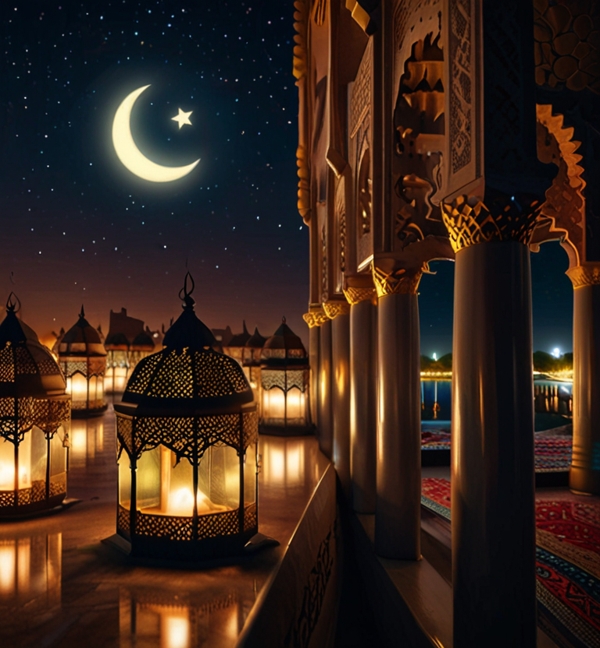
Ramadan
The Holiest Hunger Games (But With More Blessings and Less Backstabbing)
If you grew up in West Africa or visited during March and April, you probably noticed an interesting pattern: two major religious fasting periods happening back-to-back. As kids, we didn’t fully grasp the significance of Ramadan—we just knew it ended with an epic feast called Eid al-Fitr. And if you had Muslim neighbors, congratulations! Your fridge was about to be stocked with delicious food for days.
But as adults, we realize that Ramadan isn’t just about free food and public holidays (though those are great perks). It’s a deeply spiritual time filled with discipline, reflection, and community. So, let’s break it down and actually learn what Ramadan is all about.
What Is Ramadan, and Why Is It So Important?
Ramadan is the ninth month of the Islamic lunar calendar and the holiest period in Islam. It’s believed to be when the first verses of the Quran were revealed to Prophet Muhammad (PBUH) by the Angel Jibreel (Gabriel). During this time, Muslims worldwide observe fasting (Sawm), engage in increased prayer, recite the Quran, and give to charity. But here’s the kicker—it’s not just about skipping meals. It’s about self-discipline, spiritual growth, and a full detox for both the soul and body.
When Does Ramadan Happen?
Because Islam follows a lunar calendar, Ramadan shifts earlier by about 10–12 days each year in the Gregorian calendar. It begins when the new moon is sighted and lasts 29 or 30 days. This means that one year you’re fasting in April, and a few years later, you’re wondering why you’re waking up at 4 AM in the middle of winter to eat.
The Real Reason Behind Fasting (Spoiler: It’s Not a Diet Plan)
Fasting in Ramadan serves multiple purposes beyond testing how long you can function without coffee:
- Strengthens your relationship with Allah through devotion and discipline.
- Teaches self-control over desires and impulses (like not snapping at your coworker eating loudly in front of you).
- Builds empathy for the less fortunate by experiencing hunger firsthand.
- Fosters gratitude for everyday blessings—like food, water, and the ability to eat whenever you want.
- Purifies both body and soul from bad habits. (Translation: No gossiping, no cursing, and definitely no road rage.)
The Rules of the Fast: What’s Allowed and What Will Get You a Do-Over?
From pre-dawn (Fajr) to sunset (Maghrib), fasting Muslims must avoid:
- Eating and drinking (yes, even water—stay strong!)
- Sexual relations (patience is key!)
- Smoking and vaping (because obviously)
- Lying, gossiping, cursing, and all other behaviors that could put you on the naughty list
Who Gets a Free Pass? (Not That You Should Brag About It)
Islam is compassionate, so not everyone is expected to fast. If you fall into any of these categories, you’re excused:
- Children (before puberty)
- The elderly
- Pregnant or breastfeeding women (if fasting poses a risk)
- Menstruating women (they make up their fast later)
- The sick or those with chronic illnesses
- Travelers (who make up their fast later)
For those who can’t fast at all (like the elderly or chronically ill), they must perform Fidya—feeding a person in need for each missed fast. It’s all about balance and fairness.
A Typical Day During Ramadan
- Suhoor (Pre-Dawn Meal): The meal before fasting begins. It’s recommended to eat energy-packed foods like oats, dates, and proteins (so basically, your last chance to load up before the hunger games start).
- Fasting Period: No food, no drink, no bad vibes. Just work, prayers, and trying not to stare longingly at the office snack drawer.
- Iftar (Breaking the Fast at Sunset): Traditionally started with dates and water, followed by a full meal shared with family and the community.
- Taraweeh Prayers: Special nightly prayers where long portions of the Quran are recited. Think of it as a spiritual workout.
- The Last 10 Nights: The most spiritually rewarding time, as one of these nights contains Laylat al-Qadr (The Night of Decree), which is believed to be better than a thousand months of worship.
Charity in Ramadan: The More You Give, The More You Get
Ramadan isn’t just about personal sacrifice; it’s also about generosity. Muslims are encouraged to give Zakat (obligatory charity)—2.5% of their savings to the needy—and Sadaqah (voluntary charity) in any amount. This explains why, even when fasting, people are feeding others before they eat themselves. It’s a beautiful cycle of giving.
Eid al-Fitr: The Grand Finale of Feasting
After a month of fasting, Eid al-Fitr arrives in a glorious explosion of food, laughter, and—let’s be honest—overindulgence. The day begins with a special prayer at the mosque, followed by feasting, gift-giving, and visiting loved ones.
Before heading to Eid prayers, every Muslim must give Zakat al-Fitr, a small donation to help the less fortunate also enjoy the holiday. It’s a way to ensure that no one is left out of the celebration.
For the rest of us who didn’t fast, Eid is basically a dream. There’s always that one person who tries to fast for two days before Eid just to “join in” on the feast (you know who you are).
Final Thoughts: What Happens If You Accidentally Eat or Drink?
If you absentmindedly take a sip of water or sneak a bite of your sandwich, good news—your fast is still valid! It’s considered Allah’s mercy. However, if you break your fast on purpose with no valid reason, well… you have some serious making up to do: either fast for 60 consecutive days or feed 60 people in need.
Ramadan is more than just fasting; it’s a time for spiritual renewal, self-improvement, and deepening one’s faith. It teaches gratitude, patience, and the importance of giving. While it might seem like a tough challenge, for Muslims worldwide, it’s a cherished time of unity, devotion, and personal growth.
So next time you hear about Ramadan, don’t just think of it as a month of not eating—think of it as a month of discipline, kindness, and spiritual glow-ups. And if you have a Muslim friend observing it, maybe don’t eat a burger in front of them at noon (unless you enjoy watching people suffer).
